
What to Eat Before a Workout: A Female Athlete's Guide to Pre-Workout Fuelling

Most of you are underfuelling before workouts. Some of you are training fasted because someone told you it burns more fat. It doesn't. Not for women. Not for performance.
I see it constantly in the food logs of new clients. They train hard. They eat like sparrows. They wonder why their cycle has gone sideways, why they crash at 4pm, why they're not getting faster despite doing everything "right".
Here's what to actually eat before you train. Based on what you're doing, and how much time you've got.
Why Pre-Workout Fuelling Matters (Especially for Women)
Training low on fuel might feel virtuous. It isn't. Especially for female bodies. Here's what's happening when you skip food before training:
Energy availability tanks. Your body has no carbs to burn, so it pulls from muscle. Cortisol rises. Recovery suffers.
Hormones get hit. Consistent under-fuelling disrupts your menstrual cycle and increases risk of RED-S (Relative Energy Deficiency in Sport).
Performance plateaus. You can't push as hard, hold intensity, or get the most out of the session.
Muscle breakdown over development. The opposite of what most women training hard actually want.
Fasted training is not a female fat-burning hack. For women, it's a fast track to burnout, dodgy cycles, and stalled progress. At Pretty Strong we always fuel the session. Health and performance are not separate.
The Three Things That Matter
Fuel for the session ahead. Match the food to the intensity and length of what's coming.
Carbs are king. Protein supports. Carbs are your body's preferred fuel for endurance. Protein helps protect muscle.
Go light on fat and fibre pre-training. Both slow digestion. Save them for after.
What to Eat Based on How Much Time You Have
2–3 hours before training
Example: 1 cup cooked oats + sliced banana + drizzle of honey + 2 scrambled eggs or Greek yoghurt on the side + glass of water
Carbs: 60–80g Protein: 15–20g Fat: 10–15g
60 minutes or less before training
Example: 2 slices white toast with jam + 1 small banana + a few sips of water
Carbs: 30–50g Protein: 5–10g Fat: <5g
Early morning, low appetite
Example: 1 slice white bread with honey + couple of dried apricots + small protein shake (100–150ml)
Carbs: 20–40g Protein: 10g Fat: minimal
What If You Can't Stomach Food Before a Run?
This is one of the most common things female athletes ask me. You know you should eat. You know training fasted isn't the answer. But 6am you doesn't want a bowl of porridge. Your stomach just isn't awake yet.
Here's the thing: something is always better than nothing. And "something" doesn't have to be a proper meal.
Liquid fuel is your best friend
Your stomach handles liquids way better than solids first thing in the morning. Reach for:
A smoothie — banana, oats, a scoop of protein, splash of milk. Sip it. Doesn't have to be finished.
Fresh juice — orange, apple, whatever. Fast carbs, easy on the stomach.
Sports drink — normally I'd say save it for the run, but if solid food is off the table, a small bottle 15-30 mins before works.
Milk with honey — old-school but effective. Carbs + protein + easy to swallow.
Small, sweet, easy
If you can manage food but not much:
Half a banana with a dab of nut butter
One rice cake with honey
A couple of dates
Two or three medjool dates + a tablespoon of yoghurt
Energy chews or a gel if you're really struggling (yes, they work pre-run, not just during)
The timing hack that changes everything
If mornings are impossible, eat the night before.
A carb-heavy dinner (rice, pasta, potatoes) tops up your glycogen. When you wake up, you've already got fuel in the tank. A small liquid top-up 30 minutes before you head out is enough.
This is exactly the strategy I use with my clients who train at 5am and can't eat that early. Works reliably.
Training the appetite up
Long-term, appetite responds to training. If you've been under-eating for a while (see the under-eating post for the signs), your hunger cues will be muted. As you rebuild proper fuelling, your morning appetite comes back.
Start with something tiny. Half a smoothie. One rice cake. Whatever you can manage. Do it consistently for 2-3 weeks. Your stomach adapts.

Want the full Nutrition Timing Cheat Sheet?
The exact framework I use with my 1:1 athletes. Pre, during, post. For every type of session. PDF, drops straight to your inbox.
What to Eat Based on the Type of Workout
Easy endurance (Zone 2 runs and rides)
Moderate carbs to keep energy stable without overloading digestion. Example: 1 slice white toast + peanut butter + sliced banana.
Speed work / intervals
Higher carb intake for quick energy release. Example: white rice + honey + small protein shake.
Long endurance (90 minutes plus)
Start fuelling early and top up during the session. Example: bagel + jam + small yoghurt, plus a sports drink during training.
Strength training
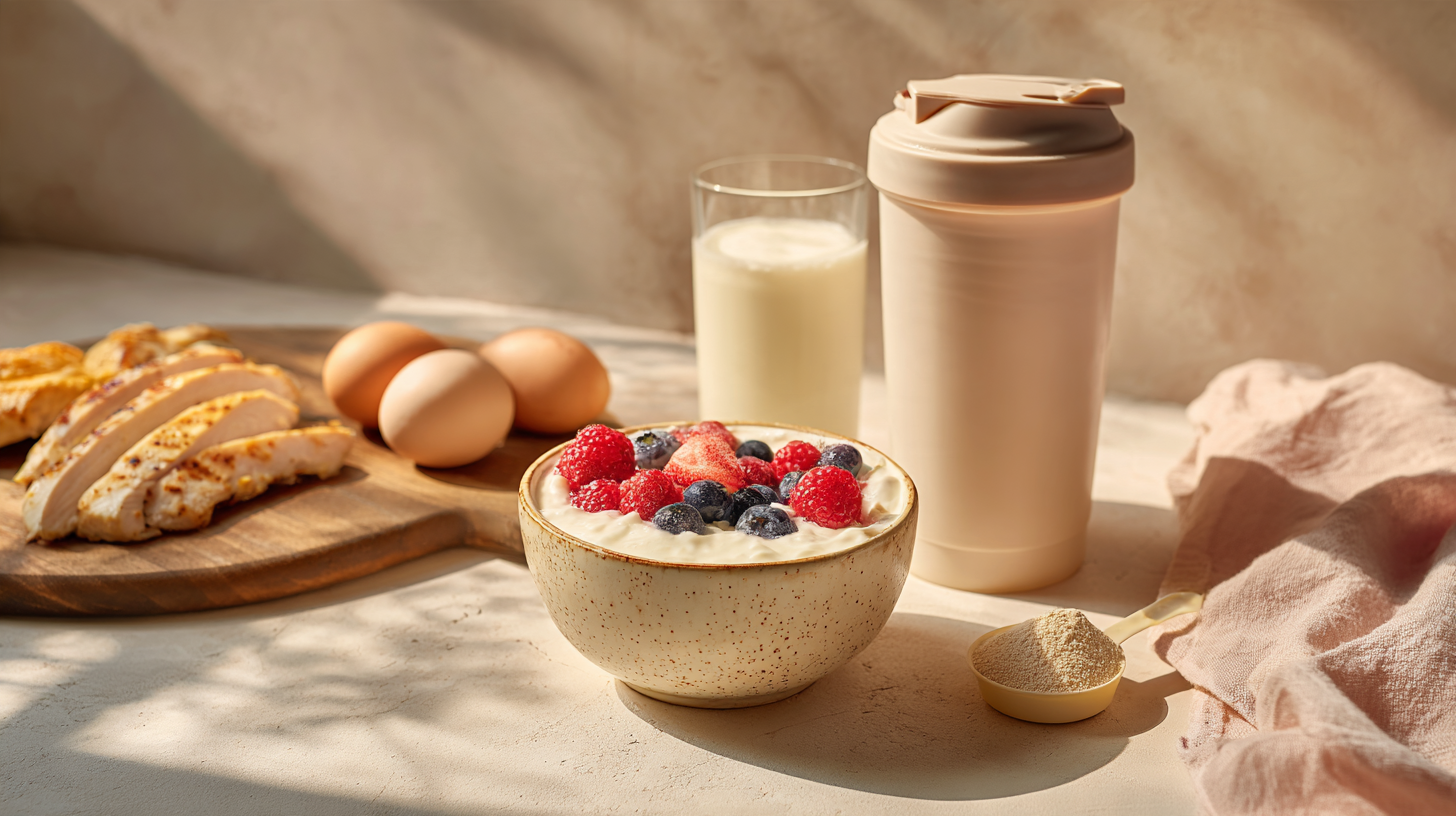
Include protein to support muscle recovery while still prioritising carbs for energy. Example: oats + berries + whey protein.
Foods to Avoid Before Training
High-fat foods (fried food, cheese-heavy meals) — slow digestion
High-fibre foods (beans, broccoli, large salads) — can cause GI distress mid-session
Spicy foods — reflux and stomach upset are not the vibe
Sample Pre-Workout Snack List for Female Endurance Athletes
White toast with jam or honey
Rice cakes with banana slices
Small bowl of oats with berries
White bagel with light cream cheese
Smoothie with banana + protein powder + almond milk
Rice with honey
Energy bar (low fibre)
Hydration Counts Too
Don't forget the fluid. 300–500ml water in the hour before training. For hot or long sessions, add electrolytes. Bonking is not a personality trait.
How This Looks in Real Life
A 6am brick session:
5:15am: Half bagel + honey + small protein shake (30–40g carbs, 10g protein)
During: Start sipping carb drink within first 15–20 minutes
A lunchtime speed interval session:
10:30am: Overnight oats with banana + whey protein (50–60g carbs, 20g protein)
The Short Version
For female athletes, pre-workout fuelling isn't optional. The goal is to arrive at your session energised, not depleted.
Easy-to-digest carbs + a little protein
Match food to session type and timing
Never train fasted. Your health and performance deserve better.
Sound familiar?
You train fasted most mornings because someone told you it'd burn more fat
You crash at 3 or 4pm and reach for sugar to make it through
Your cycle has gone sideways in the last 6-12 months
You're training hard and not getting faster
If you ticked two or more, your fuelling is the bottleneck. Not your training.
There is more on how I build this around an actual training week on the nutrition coaching page.
Free tool
The Race Fuelling Planner
Your weight, your race and your sweat rate in. Carbs, fluid and sodium per hour out, with what to actually eat.
Open the tool →If you want the deep dive on why training fasted specifically doesn't work for female bodies, read Why Women Should Never Exercise on an Empty Stomach.
If you want help dialling in your nutrition properly — not just for performance, but for hormones, recovery, and a body that responds to training the way it should — that's what I do.
Female-specific nutrition and endurance coaching for women who are done figuring it out alone.
The application form takes two minutes. I read every one personally. I'll WhatsApp you within 24 hours on weekdays.
Frankie x
WHAT TO READ NEXT
If this landed, you'll like these

Ready when you are
Want this done properly?
I coach women through running, triathlon and nutrition. Two-minute application, and I read every one myself.
How much caffeine actually helps women's endurance, when to take it, and why you do not need to time it to your cycle. Evidence-based, Pretty Strong.