
Carbohydrates & PCOS: What Female Athletes Need to Know

Living with Polycystic Ovary Syndrome (PCOS) while trying to train as a runner, triathlete, or endurance athlete can feel like you’re constantly battling your own body. You know you need energy to train well - but you’ve probably heard conflicting advice about whether you should cut carbs, go low-carb, or even try fasting.
Here’s the truth: carbohydrates are not the enemy for women with PCOS. In fact, cutting them too much can do more harm than good - especially if you’re training regularly. What matters is how you eat them: the type, the timing, and how they fit into your overall training and recovery.
This article is designed for women just like you - busy, motivated, passionate about sport, but also dealing with the challenges of PCOS. Let’s break down the science and the practical steps you can take to fuel properly, manage symptoms, and unlock your full athletic potential.
What is PCOS and Why Does it Matter for Athletes?
Polycystic Ovary Syndrome (PCOS) affects around 1 in 10 women worldwide. It’s a hormonal condition with a range of symptoms that can impact both everyday life and athletic performance.
Common symptoms include:
Irregular or absent periods
Difficulty becoming pregnant (irregular ovulation)
Acne, oily skin, or unwanted hair growth (hirsutism)
Thinning hair on the scalp
Weight gain or difficulty losing weight
Low mood, anxiety, or fatigue
For female athletes, two key challenges often stand out:
Insulin resistance - your body doesn’t use insulin effectively, meaning blood sugar spikes and crashes are more likely. This can lead to energy swings, cravings, and slower recovery.
Inflammation and hormone imbalance - PCOS can make recovery harder and sometimes affects how your body adapts to training.
The good news? With the right nutrition strategies, you can manage symptoms and fuel your training properly.
Why Carbohydrates Still Matter for PCOS Athletes
Carbs often get a bad reputation in PCOS, but let’s be clear: if you’re training for running or triathlon, you need carbs. They’re your body’s primary energy source during exercise, especially for anything over 60 minutes.
Here’s why carbs are essential:
Fuel for performance: Carbs provide glycogen, the stored energy in your muscles and liver that powers endurance training.
Faster recovery: Post-training carbs help replenish glycogen and speed up recovery between sessions.
Hormonal health: Extremely low-carb diets can raise cortisol (stress hormone) and make PCOS symptoms worse.
Mental energy: Stable blood sugar supports focus, mood, and motivation - all crucial for balancing busy lives with training.
So rather than avoiding carbs, the focus should be on quality and timing.
Low-Carb Diets and PCOS: What the Research Really Shows
You’ve probably read that low-carb diets are “the best” for PCOS. But here’s what the research actually says:
Many studies define low-carb as under 45% of total calories from carbs. That’s not as low as keto - and not far from the general recommendation of 50%.
Some women do see improvements in insulin, weight, and hormone levels when lowering carbs slightly.
But restrictive low-carb diets often backfire - leading to cravings, bingeing, poor recovery, and fatigue in athletes.
Evidence-based guidelines, like those from the British Dietetic Association, do not recommend cutting carbs entirely for PCOS.
For athletes, going ultra low-carb can be a fast track to burnout, hormone disruption, and poor performance.
The Power of Low Glycaemic Index (GI) Carbs
Instead of cutting carbs, focus on choosing low glycaemic index (GI) options. GI measures how quickly a food raises blood sugar:
High GI foods (white bread, sweets, sugary cereals) = sharp spikes and crashes.
Low GI foods (oats, beans, wholegrains, sweet potato) = slow release, stable energy.
Why low GI carbs are ideal for PCOS athletes:
Improve insulin sensitivity
Support stable energy for endurance training
Help regulate menstrual cycles
Reduce cravings and energy dips
Smart low GI carb choices:
Oats, quinoa, and brown rice
Wholegrain bread and pasta
Sweet potatoes
Lentils, chickpeas, and beans
Apples, pears, and berries
Pairing carbs with protein and fats also lowers the GI impact and keeps energy steady.
Carbohydrate Timing for PCOS Athletes
The timing of carbs is just as important as the type. Here’s how to structure fuelling:
Pre-Workout
2–3 hours before: Balanced meal with low GI carbs, protein, and fats.
Example: Salmon, quinoa, and roasted vegetables.
30–60 minutes before: Small snack with carbs + a little protein.
Example: Banana with peanut butter.
During Training
For workouts over 60–90 minutes, you’ll need higher GI carbs (gels, chews, or sports drinks) to maintain energy.
Post-Workout
Within 30–60 minutes: Carbs + protein to replenish glycogen and repair muscles.
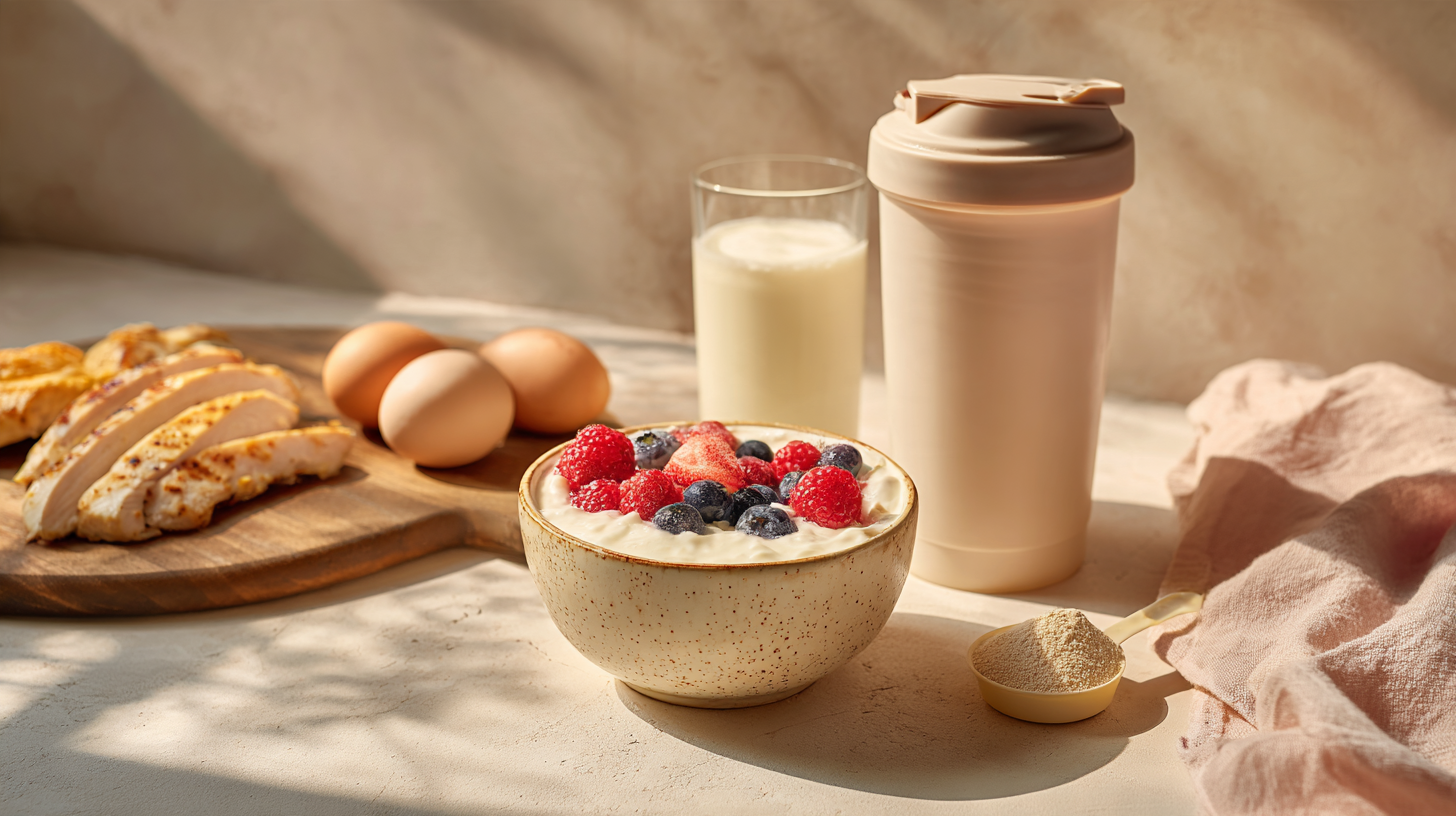
Example: Protein shake with oats and berries, or Greek yoghurt with fruit and granola.
Common Carbohydrate Mistakes in PCOS
Many of the women I coach make the same mistakes before we fix their fuelling:
Skipping carbs altogether - leads to low energy, cravings, and poor recovery.
Relying on processed carbs - quick fixes cause blood sugar crashes later.
Training fasted - for women with PCOS, fasted training often raises cortisol and worsens hormone imbalance.
Not eating enough - chronic underfuelling makes symptoms worse and stalls progress.
Managing Cravings with PCOS
Carbohydrate cravings are one of the most frustrating parts of PCOS. Here’s how to manage them:
Eat regular meals - don’t go long stretches without food.
Pair carbs with protein and fats to stabilise blood sugar.
Swap refined snacks for low GI options (like oatcakes with hummus).
Prioritise sleep and stress management - both affect cravings.
Allow flexibility - complete restriction usually makes cravings worse.
Example PCOS-Friendly Meals for Athletes
Here are some balanced meal ideas for training and hormone support:
Breakfast: Overnight oats with chia seeds, Greek yoghurt, and berries
Lunch: Lentil and quinoa salad with avocado and olive oil
Snack: Apple slices with almond butter
Dinner: Grilled chicken with sweet potato wedges and roasted broccoli
Post-Run Refuel: Smoothie with whey protein, oats, spinach, and frozen berries
Training Adjustments on Low-Energy Days
Living with PCOS means you’ll sometimes have days where fatigue is real. Instead of pushing harder:
Swap intervals for a steady Zone 2 run or a long walk
Focus on strength or mobility instead of high-intensity sessions
Rest completely if needed - recovery is training too
Remember: consistency matters more than perfection.
Key Takeaways
Carbohydrates are essential for female athletes with PCOS - cutting them too much can harm performance and hormone health.
Focus on low GI carbs for stable blood sugar and sustained energy.
Time carbs strategically around training: before, during, and after workouts.
Don’t fall into the trap of fasted training or carb elimination.
Listen to your body and adjust training when energy is low.
Final Thoughts
If you’ve been confused about carbs and PCOS, you’re not alone. Many women I coach arrive at Pretty Strong Coaching feeling frustrated, tired, and stuck in a cycle of underfuelling and overtraining.
The good news? With the right fuelling strategy, you can:
Train stronger and recover faster
Manage cravings and stabilise energy
Support your hormones and menstrual cycle
Still work towards body composition goals without restriction
At Pretty Strong Coaching, I specialise in helping women with PCOS fuel smart, train sustainably, and feel confident in their bodies. You don’t need to go low-carb or give up your favourite foods - you just need a plan that works with your body, not against it.
There is more on how the training and the nutrition fit together on the full programme page.
Free download
The 75/15/10 Rule
The simple plate split that keeps you fuelled for training without weighing a single thing.
Send it to me →Struggling with fuelling and PCOS?
Struggling to balance PCOS, nutrition, and training? You don’t have to figure it all out alone. At Pretty Strong Coaching, we create personalised fuelling and training plans designed for women like you. Click here to book a free chat and see how we can help.
RELATED POSTS


Ready when you are
Want this done properly?
I coach women through running, triathlon and nutrition. Two-minute application, and I read every one myself.
How much caffeine actually helps women's endurance, when to take it, and why you do not need to time it to your cycle. Evidence-based, Pretty Strong.