
Heart Rate Monitors for Women: Watch vs Chest Strap vs Arm Band
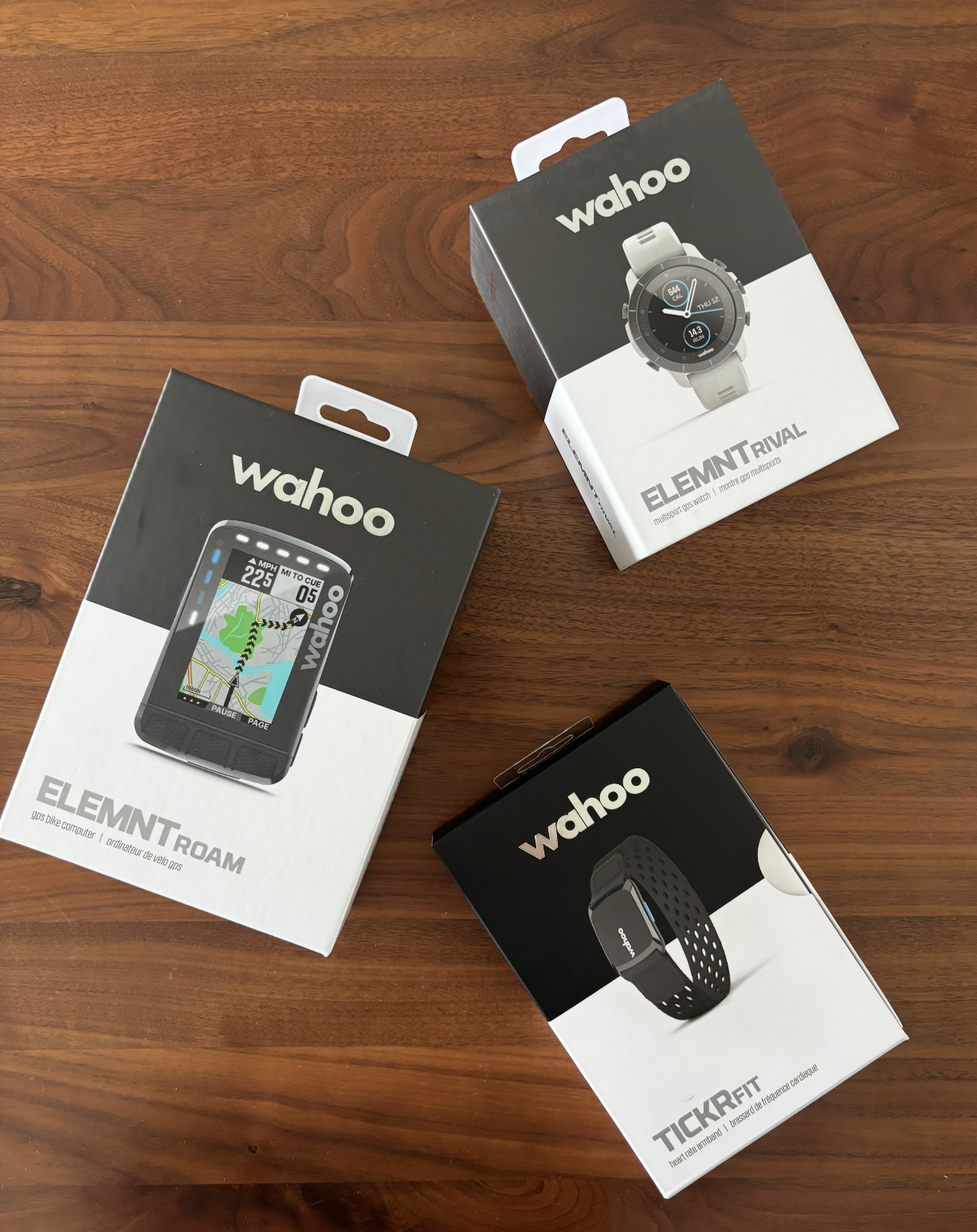
If you’ve ever looked down at your watch mid-run and thought “there is no way this is accurate”, you’re not imagining it.
Heart rate training can be one of the most powerful tools for female runners and triathletes – when the data is good. But when it’s not, it leads to confusion, frustration, and a whole lot of second-guessing your fitness.
I see this all the time in coaching:
Zone 2 feeling impossibly hard
Heart rate jumping all over the place
Intervals not registering properly
Athletes convinced they’re “unfit” or “doing it wrong”
In reality?
It’s usually a monitoring issue – not a fitness issue.
In this post, we’re breaking down:
Why heart rate data behaves differently in women
The pros and cons of wrist-based monitors, chest straps, and arm bands
Which option actually makes sense for your training and lifestyle
How to use heart rate properly – without becoming obsessed with the numbers
Let’s get into it.
Why Heart Rate Training Looks Different for Women
Before we even talk about devices, we need to talk about female physiology – because most heart rate tech and algorithms were built around male data.
That matters.
Key reasons HR data behaves differently in women
Smaller wrists
Optical sensors rely on light passing through the skin. Smaller wrists = less surface area = poorer signal quality.Hormonal fluctuations across the menstrual cycle
Oestrogen and progesterone affect:Resting heart rate
Exercise heart rate
Heart rate variability
Perceived exertion
Your Zone 2 heart rate in week one of your cycle may feel very different in week three – and that’s normal.
Higher stress sensitivity
Sleep, under-fuelling, life stress, caffeine, dehydration – all can elevate heart rate disproportionately in women.Temperature and hydration differences
Women often experience higher cardiovascular strain in heat, which can skew HR readings even when pace feels easy.
Important reminder:
If your heart rate data feels inconsistent, jumpy, or “off” – it does not mean your training is broken.
Wrist-Based Heart Rate Monitors (Your Watch)
This is the most common setup – and also the most misunderstood.
How wrist-based HR works
Uses optical sensors (light) to estimate blood flow
Measures changes in skin colour as blood pulses through the wrist
The pros
Convenient – you already own it
No extra equipment
Fine for:
Resting HR
Daily activity
Steps and general movement
Easy, steady runs if conditions are ideal
The cons (especially for women)
This is where most issues arise:
Less accurate on smaller wrists
Struggles during intervals and tempo work
Lag in heart rate response – your effort changes before HR catches up
Affected by cold weather, sweat, arm movement
Prone to random spikes or dropouts
If you’ve ever seen your HR jump from 140 to 180 within seconds on an easy run – this is usually why.
Best suited for
Beginner runners
Casual training
Non-structured workouts
Athletes not training by specific zones
Wrist HR is not useless – but it’s limited.
Chest Strap Heart Rate Monitors
This is considered the gold standard for heart rate accuracy.
How chest straps work
Measure the electrical signal of each heartbeat
Similar to an ECG
No guessing, no light sensors, no delay
The pros
Extremely accurate
Instant response to effort changes
Best option for:
Zone 2 training
Threshold sessions
Intervals
Racing
Testing sessions
If you want clean data, this is it.
The cons (female-specific)
Let’s be honest – chest straps aren’t perfect for everyone.
Can feel restrictive under sports bras
Fit issues for smaller frames
Can rub or irritate skin
Some women simply hate wearing them
None of that makes you “dramatic” – comfort matters.
Best suited for
Structured endurance training
Performance-focused runners and triathletes
Athletes who want precise zone-based training
Data-driven personalities
If accuracy is your priority, chest straps win.
Arm Strap Heart Rate Monitors
This is the sweet spot for many female athletes.
How arm straps work
Optical sensors (like watches)
Worn on the upper arm or forearm
Much more stable than the wrist
The pros
More accurate than wrist-based HR
Far more comfortable than chest straps for many women
Stable during movement
Great for long runs and steady sessions
Minimal interference from sweat or cold
The cons
Still optical – not electrical
Slight lag compared to chest strap
Requires correct placement
Best suited for
Women who hate chest straps
Long endurance sessions
Hybrid runners and triathletes
Athletes wanting better data without discomfort
If you want accuracy without irritation, this is often the best compromise.
Which Heart Rate Monitor Should You Use?
Let’s break this down by real-world scenarios.
Busy woman training 3–4 times per week
Priority: consistency and ease
Recommendation:
Wrist HR for general tracking
Arm strap if you’re starting zone-based training
First-time triathlete
Priority: learning pacing and fuelling
Recommendation:
Arm strap or chest strap for long sessions
Wrist HR as backup
Athlete struggling with Zone 2
Priority: accuracy
Recommendation:
Chest strap (temporarily if needed)
Arm strap as a long-term option
Data-driven endurance athlete
Priority: performance metrics
Recommendation:
Chest strap for key sessions
Arm strap for longer endurance work
Athlete training around her cycle
Priority: context over perfection
Recommendation:
Any monitor + RPE
Focus on trends, not daily numbers
The goal is not perfect data – it’s useful data.
Common Heart Rate Mistakes Women Make
These come up constantly in coaching.
1. Training solely off wrist HR
Especially during intervals – this often leads to under- or over-doing sessions.
2. Using male-based max HR formulas
220 minus age was never designed for female athletes.
3. Ignoring cycle-related changes
Your heart rate is not broken – your hormones are shifting.
4. Chasing numbers instead of trends
One bad session does not define your fitness.
5. Letting HR override how you feel
Heart rate is data – not a judgement of effort or worth.
How We Use Heart Rate at Pretty Strong Coaching
This is important.
Heart rate is a tool, not a rule.
In Pretty Strong Coaching, we use HR to:
Guide aerobic development
Support pacing education
Identify fatigue and under-recovery
Spot trends over time
But we never use it in isolation.
We also consider:
RPE (how it feels)
Pace and power
Sleep and stress
Menstrual cycle phase
Fuelling and hydration
Mental load and life stress
Because real training happens in real lives – not spreadsheets.
When Heart Rate Is Not the Priority
There are times when HR should take a back seat:
During high stress periods
When returning from illness
In early post-partum training
During heat acclimation
When fuelling is inconsistent
Sometimes the smartest move is training by feel.
Key Takeaways
Wrist HR issues ≠ fitness issues
Women’s physiology affects HR data more than we’re told
Chest straps are most accurate – but not mandatory
Arm straps are an excellent middle ground for women
Context matters more than perfection
Heart rate should support training – not control it
If your heart rate data constantly leaves you confused, frustrated, or doubting yourself – that’s not a you problem.
Final Thought
Training smarter doesn’t mean obsessing over every number.
It means choosing tools that support confidence, consistency, and long-term progress – especially as a female athlete balancing sport, life, hormones, and expectations.
Free tool
Your Run Paces, Worked Out
Your threshold pace in, your seven training paces out, with what each one is for and a session to do in it.
Open the tool →Ready for clarity instead of chaos?
If you’re second-guessing your training, confused by your heart rate data, or stuck wondering whether you’re doing “enough” – you don’t need a better watch.
You need a smarter strategy.
At Pretty Strong Coaching, we help women train with clarity – using the right data, at the right time, in the context of real life and female physiology.
If you’re ready to train strong, confident, and informed – we’d love to support you.
WHAT TO READ NEXT
If this landed, you'll like these

Ready when you are
Want this done properly?
I coach women through running, triathlon and nutrition. Two-minute application, and I read every one myself.