
Mastering Data Tracking: How to Improve Your Fitness Progress
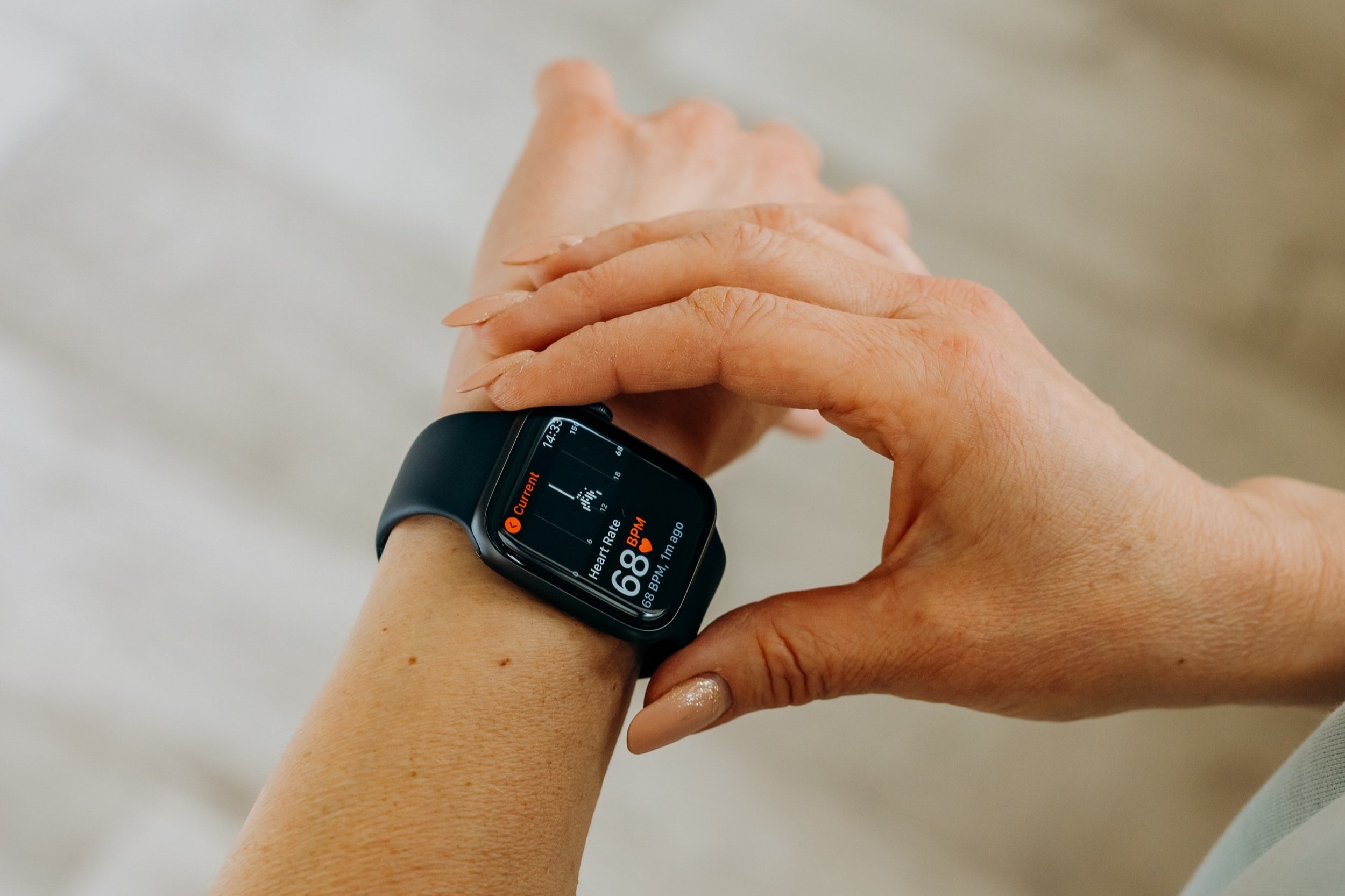
If you’re serious about improving your running, triathlon, or endurance performance, you’ve probably wondered:
“Do I really need to track my progress?”
The short answer? No, you don’t have to.
If you’re training purely for mental well-being, stress relief, or just for fun, you don’t need to track every detail. You can absolutely run, cycle, or train purely based on feel—and for many people, that’s enough.
But if you’re looking to progress, improve performance, and optimise your training, tracking your fitness data is a game-changer. It takes the guesswork out of training, helps prevent injury, and ensures you’re progressing efficiently without overtraining.
So, let’s break it down. How do you track data without feeling overwhelmed? And how do you use it to actually improve?
Why Tracking Your Data Matters
1. You Can’t Improve What You Don’t Measure
Ever feel like you’re training hard but not making progress?
That’s because your body adapts over time. If you’re not tracking how much you’re running, cycling, or lifting, you might be stuck at the same intensity without realising it.
Tracking gives you clear evidence of your progress—whether that’s a faster 5K time, a higher FTP on the bike, or improved recovery between sessions.
2. It Helps Prevent Overtraining & Injury
Without tracking, it’s easy to push too hard or not recover enough.
If you’re constantly fatigued but don’t track your training load, you might not realise you’re overdoing it.
If you’re getting injured often, tracking can help pinpoint whether you’re increasing mileage too quickly or not prioritising recovery properly.
3. It Builds Motivation & Accountability
Seeing your improvements in pace, endurance, or strength is a huge confidence booster.
Tracking also keeps you accountable—if you skip workouts or lose consistency, your numbers will reflect that.
4. It Helps You Set Better Goals
If you don’t know where you’re starting from, how can you plan where you’re going?
Tracking allows you to set realistic, achievable goals—instead of guessing and getting frustrated when progress stalls.
What Should You Track? Quantitative vs. Qualitative Data
Quantitative Data (Numbers & Performance Metrics)
This includes measurable stats like:
✔ Pace, speed, & distance (for runners & cyclists)
✔ Heart rate & heart rate variability (HRV) (to track recovery & fitness levels)
✔ Power output (FTP) & cadence (for cyclists)
✔ Calories burned & macronutrient intake (if tracking nutrition)
✔ Sleep duration & quality
This type of data helps identify trends, set goals, and track long-term progress.
Qualitative Data (How You Feel & Perform Subjectively)
Not everything can be measured with a smartwatch. Subjective data matters too:
✔ How do you feel before, during, and after workouts?
✔ Did your session feel easy, moderate, or difficult?
✔ Are you feeling energised or constantly fatigued?
✔ Are you sleeping well, or do you feel drained?
Tracking how you feel helps prevent burnout, overtraining, and unnecessary stress.
Where to Start: The One-Metric Rule
If tracking data feels overwhelming, start small. Pick one key metric to focus on initially.
✔ For runners: Track your weekly mileage or pace.
✔ For cyclists: Track your power output (FTP) or cadence.
✔ For triathletes: Track your training hours per week.
✔ For strength training: Track how much weight you lift in key exercises.
✔ For general fitness: Track your workout consistency (sessions per week).
Once you build the habit, you can layer in more data over time.
The Best Apps & Tools for Effortless Tracking
Want to track progress without manually logging everything? Use smart tracking tools.
✔ Strava – Best for runners & cyclists (tracks pace, distance, elevation).
✔ TrainingPeaks – Best for structured endurance training (power, HR zones).
✔ MyFitnessPal – Best for tracking nutrition & macronutrients.
✔ Oura Ring – Best for tracking recovery, sleep, & HRV.
✔ Whoop Band – Best for tracking stress, strain, & daily readiness.
These apps integrate with smartwatches, heart rate monitors, and fitness trackers—so they do the work for you.
How to Use Your Data for Smarter Training
Collecting data is one thing—using it to improve is another.
1. Track Your Baseline First
Before setting goals, track your stats for 2-4 weeks to get an average.
✔ What’s your average pace?
✔ How many hours are you training per week?
✔ Are you recovering well or feeling fatigued?
2. Identify Trends & Adjust Accordingly
✔ If you’re always tired, check if you’re training too much or not fuelling enough.
✔ If you’re plateauing, consider adding intensity or increasing volume gradually.
✔ If your sleep & HRV scores drop, take a deload week before burnout sets in.
3. Set Realistic, Data-Backed Goals
Instead of vague goals like “get faster”, set specific targets:
✔ “Improve my 5K pace by 30 seconds in 8 weeks.”
✔ “Increase my FTP by 10 watts over the next 3 months.”
✔ “Improve sleep quality by reducing late-night screen time.”
Tracking helps you see progress in small, measurable ways—which keeps motivation high.
Common Data Tracking Mistakes & How to Avoid Them
🚫 Mistake 1: Tracking Too Many Metrics Too Soon
Start with one or two key numbers, then expand as needed.
🚫 Mistake 2: Obsessing Over Daily Fluctuations
Focus on weekly trends, not daily numbers—your body fluctuates naturally.
🚫 Mistake 3: Ignoring How You Feel
Data should support how you feel, not override it. If the numbers say you’re recovered but you feel exhausted, listen to your body.
Final Thoughts: Use Data to Support Your Journey—Not Control It
At the end of the day, tracking is a tool, not a rule.
✔ If data motivates you, use it to guide progress.
✔ If it stresses you out, focus on qualitative tracking instead.
✔ Your fitness journey is personal—use what works for YOU.
Ready to optimise your training with smart tracking? Start small, stay consistent, and watch your progress unfold.
There is more on how this gets turned into a week-by-week plan on the training coaching page.
Free tool
Power Zones, Explained Simply
Put in your FTP or a 20-minute test and get your seven zones, what each one is actually for, and how long to spend there.
Open the calculator →Ready to Train Smarter and Feel Stronger?
At Pretty Strong Coaching, we help busy women like you train smarter, fuel better, and achieve your running and triathlon goals - without burnout or overwhelm. If you're ready for personalised coaching that fits into your life, let's chat!
RELATED POSTS
Ready when you are
Want this done properly?
I coach women through running, triathlon and nutrition. Two-minute application, and I read every one myself.
PSI, API and 1-hour PM2.5 are three different numbers and only one of them tells you whether to run in the next hour. What the bands mean in Singapore and Malaysia, how exercise changes your exposure, and how to handle the kids.