
Macronutrients for Female Athletes: The Honest Guide
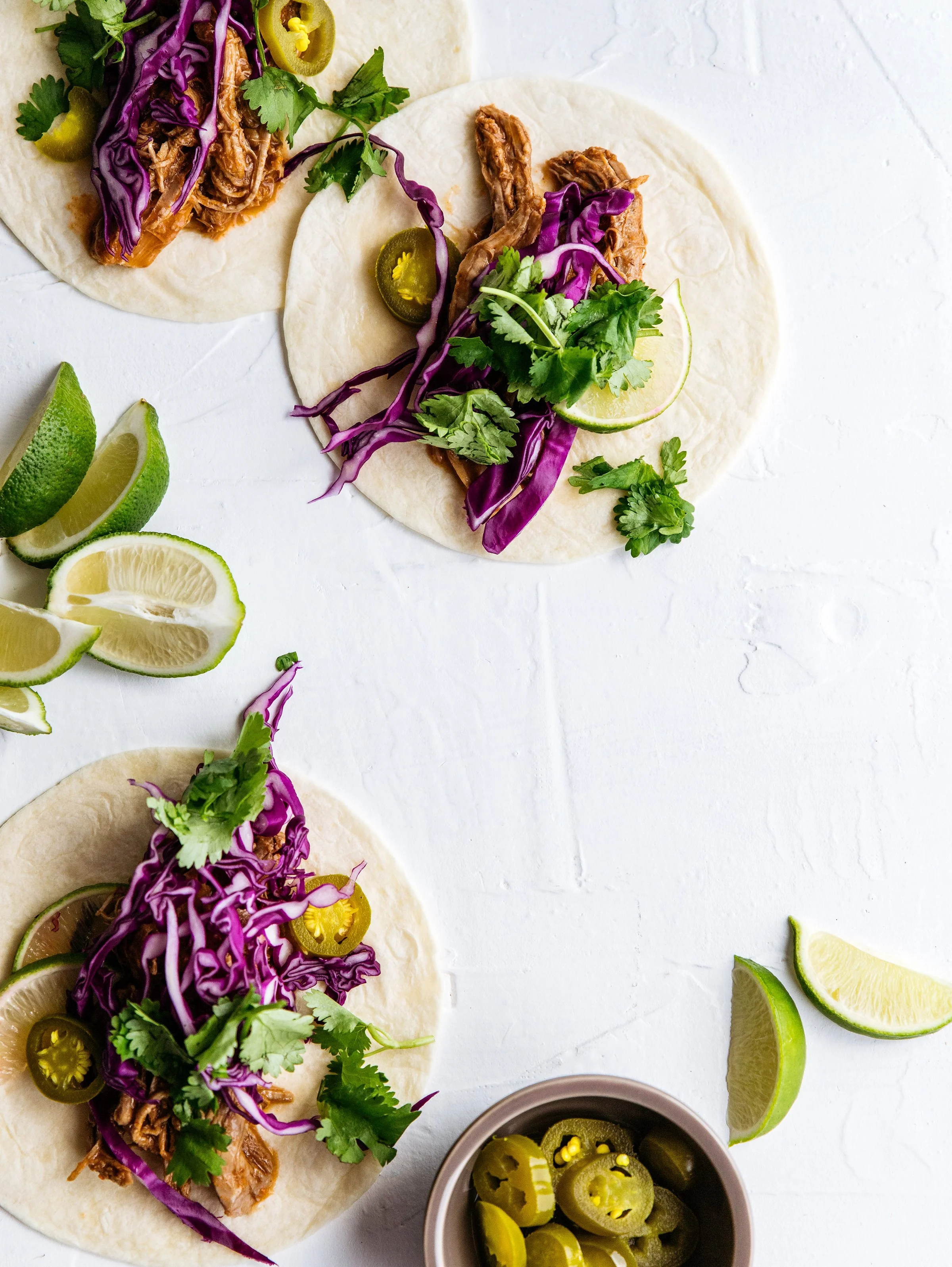
Most female athletes I work with come to me eating "healthy" and wondering why they're not getting stronger, faster, or seeing the body changes they want.
The answer is almost always macros. They're either under-fuelling overall, or skewed too far one way. Usually too low on protein. Too low on carbs. Too low on fat. Sometimes all three.
This post is the framework I use with my Hybrid clients. Protein, carbs, fats. How much, what kind, when. No tracking obsession required.
What Macros Actually Are (And Why Female Athletes Need to Care)
Macros = the three primary nutrients that give you energy.
Protein = 4 calories per gram
Carbs = 4 calories per gram
Fats = 9 calories per gram
Every meal contains a mix. Getting the mix right supports your energy, your recovery, your training quality, and your hormones.
For women specifically, getting your macros wrong shows up as:
Low energy and burnout
Workouts you can't push through and recovery that takes days
Cycle going sideways (irregular or stopping altogether)
Losing muscle, which is the opposite of what you want
You don't need to count every gram. You do need to know the rough shape of what you're eating.
Protein: Building Block for Strength and Recovery
Protein does the heavy lifting on recovery, muscle preservation, immune function, and keeping you full enough to not snack-spiral at 4pm.
How much protein do female athletes need?
Endurance training (running, triathlon)
1.2 to 1.6g per kg of bodyweight per day
Strength and hybrid training
1.6 to 2.2g per kg of bodyweight per day
If you weigh 60kg and you're doing hybrid training, that's roughly 96 to 132g of protein per day. Spread across meals.
Best protein sources for active women
Lean meats: chicken, turkey, lean beef
Fish: salmon, tuna, prawns
Dairy: Greek yoghurt, cottage cheese, milk
Plant-based: tofu, tempeh, lentils, chickpeas, quinoa
Supplements: whey, pea, soy protein
Aim for 20-30g of protein per meal. Prioritise it post-workout. The 4pm crash you keep blaming on tiredness is usually a protein gap from lunch.
Carbs: Your Primary Fuel Source
Carbs are not the enemy. They're your body's preferred energy source for endurance training. Skim on them and you get sluggish workouts, brain fog, slower recovery, and a much higher risk of getting injured.
How many carbs do female athletes need?
Light training days
3 to 5g per kg bodyweight
Moderate training (1 hour a day)
5 to 7g per kg bodyweight
Intense endurance training (2+ hours)
7 to 10g per kg bodyweight
A 60kg athlete doing moderate endurance training: 300-420g of carbs per day. Way more than most women think they need.
Best carb sources for female athletes
Whole grains: oats, brown rice, quinoa, wholemeal bread
Fruit and veg: bananas, sweet potatoes, berries
Legumes: lentils, beans, chickpeas
Dairy: milk, yoghurt
Fast carbs around training: energy gels, honey, white rice, rice cakes
Eat carb-rich meals 2-3 hours before training. Refuel within 30 minutes after with carbs + protein.

Want the 75/15/10 Rule guidebook?
The simplest fuelling framework that exists. No tracking. No counting. Just the food categories that move the needle for female endurance athletes. Eat More, Eat Some, Eat Less. PDF, straight to your inbox.
Fats: Essential for Hormones and Long-Session Energy
Fat is crucial for hormonal balance (especially female), joint and brain health, and sustained energy on long endurance sessions. Cut fat too low and your hormones get hit first.
How much fat do female athletes need?
General guideline
1 to 1.5g per kg bodyweight per day
A 60kg athlete: 60-90g of fat per day. Don't go below this. Period (literally — your cycle will tell you).
Best healthy fat sources
Avocados
Nuts and seeds: almonds, walnuts, chia, flaxseeds
Fatty fish: salmon, mackerel, sardines
Olive oil, coconut oil
Dark chocolate (85%+ cocoa, you're welcome)
Putting It Together: The Plate Method
If tracking macros sounds like too much (it usually is), use the plate method instead.
The Pretty Strong plate
½ carbs
¼ protein
¼ fats
Pre-run example: oats + banana + nut butter
Post-run example: chicken + rice + avocado
Everyday balanced meal: salmon + quinoa + roasted veg
Free tool
The Race Fuelling Planner
Your weight, your race and your sweat rate in. Carbs, fluid and sodium per hour out, with what to actually eat.
Open the tool →That's the whole framework. You don't need a tracking app. You need to look at your plate and check the rough split.
The Short Version
Protein fuels recovery and muscle. 1.2 to 2.2g per kg per day, spread across meals.
Carbs power your performance. Adjust based on training load. Don't fear them.
Fats support your hormones. Don't cut too low. Period (literally).
Balance beats restriction. Fuel your body for strength and performance, not for shrinkage.
There is more on how I build this around an actual training week on the nutrition coaching page.
Sound familiar?
You eat "healthy" but performance isn't moving the way you want
You're suspicious you're not getting enough protein but don't know how much you need
You've been told carbs are the enemy and you're scared to eat them
You've cut fats too low and your cycle has gone sideways
If you ticked two or more, your macros are the bottleneck. Not your training.
There is more on how I build this around an actual training week on the nutrition coaching page.
If you want a custom macro framework dialled into your body, your training, and your cycle, that's what I do.
Female-specific nutrition coaching from a qualified Nutritionist and Fertility Nutrition Specialist. Built on awareness and education. Not restriction.
The application form takes two minutes. I read every one personally. I'll WhatsApp you within 24 hours on weekdays.
Frankie x
WHAT TO READ NEXT
If this landed, you'll like these


Ready when you are
Want this done properly?
I coach women through running, triathlon and nutrition. Two-minute application, and I read every one myself.
How much caffeine actually helps women's endurance, when to take it, and why you do not need to time it to your cycle. Evidence-based, Pretty Strong.